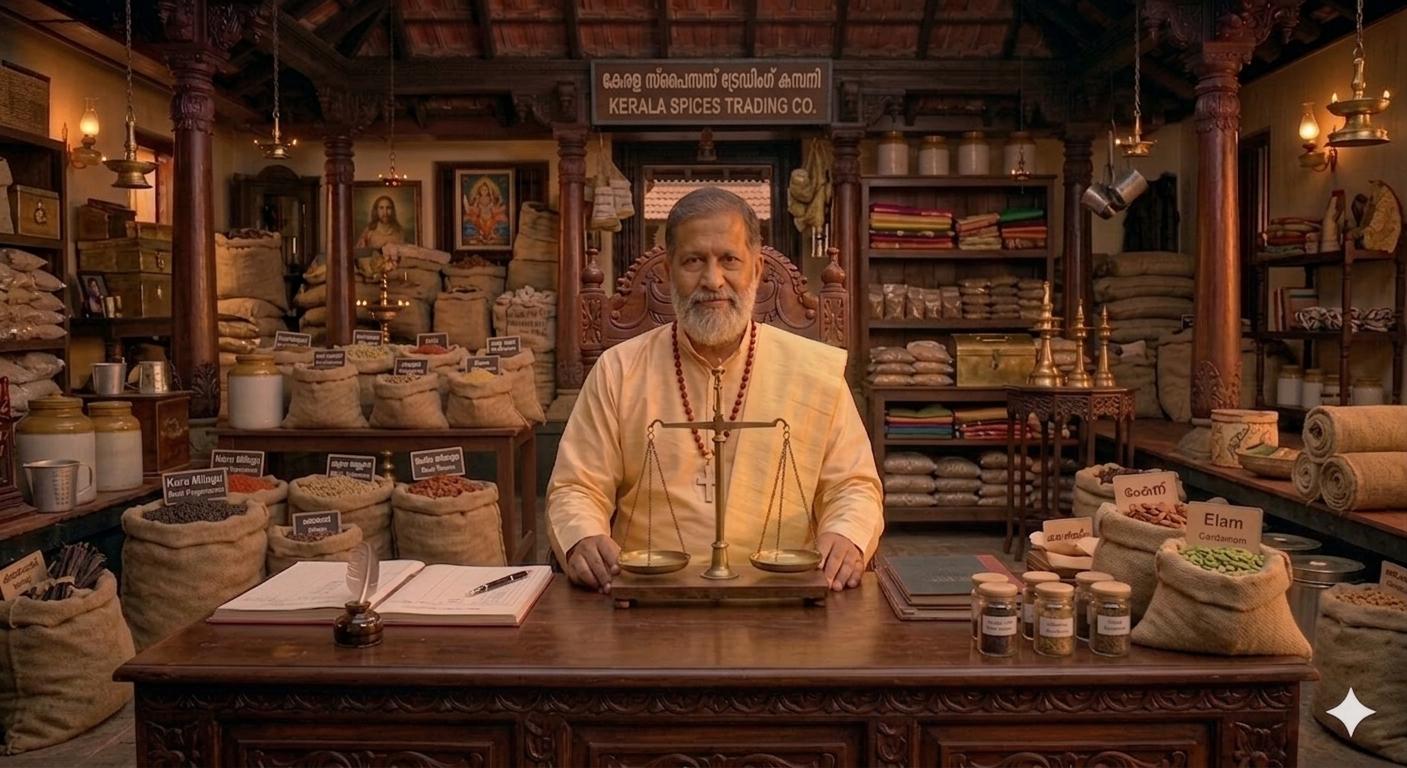
Brass scales, an open ledger · the merchant's desk
52 AD ────────── PRESENT
Malabar CoastMerchant ClassHonest Weights
Part I · The Name
The meaning of Nazrani.
When St. Thomas, one of Jesus Christ's apostles, arrived on the shores of Kerala in AD 52, he spoke of a God who created the heavens and the earth — and of a way of life rooted in honesty, integrity, humility, and faith.
A few natives were drawn to this message. They embraced these teachings, and the change in them was visible in how they lived and traded — fair in their dealings, humble in their conduct, steady in their word.
The resident Jewish community, watching closely, began calling these followers Nazranis — after Jesus, the man from Nazareth, whose teachings had so clearly shaped them. The name stuck.
In time, the Nazranis became trusted trading partners of the Jews and the spice producers of the Malabar hills — a name still carried today by Malayalee Christians across Kerala, recognised for the values that earned it.
Centuries on, the trade has moved from shopfronts to screens. What hasn't moved is the name and what it stands for — honest dealing, fair weight, and spices and produce that reach you the way they always did: natural, organic, wholesome.
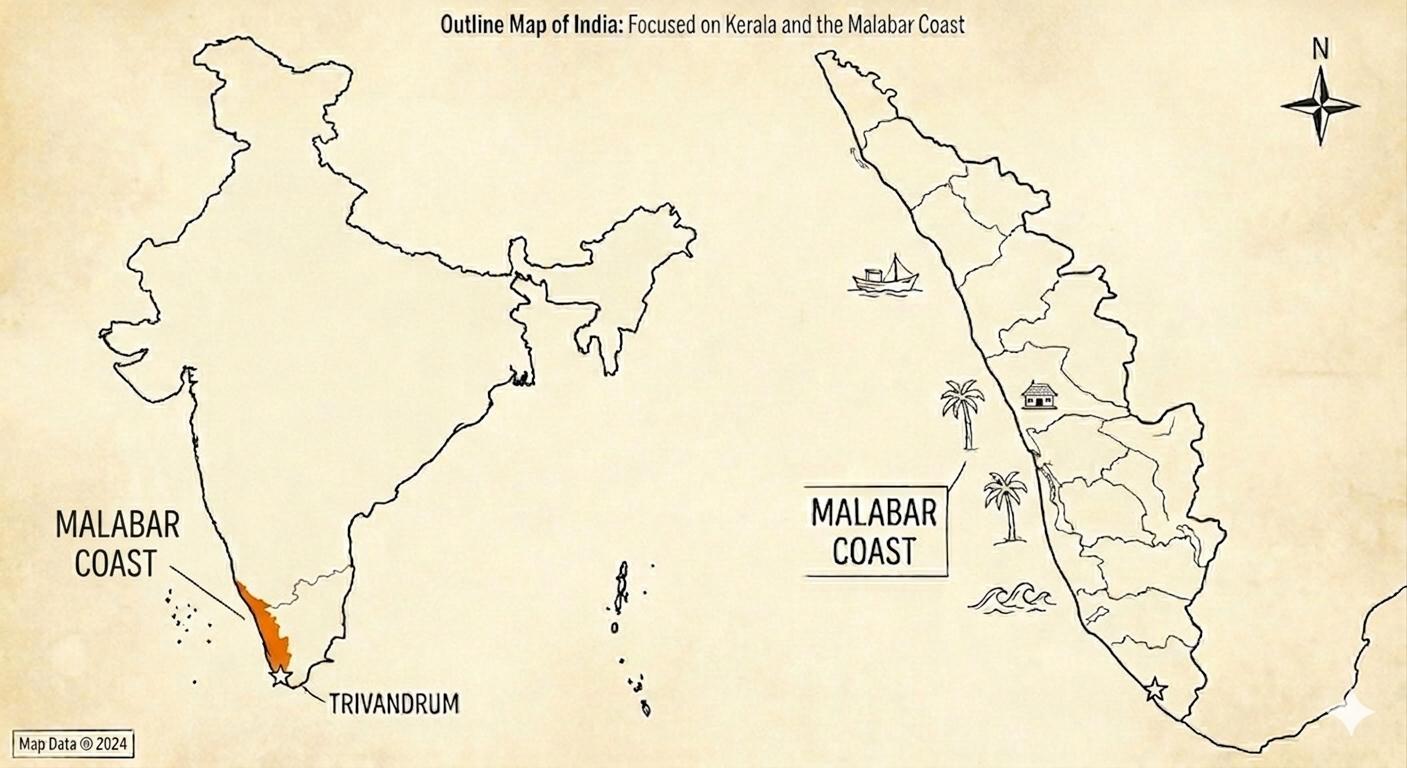
The Malabar Coast · today's KeralaA Nazrani household · KeralaThe merchants of the Malabar coast
For nearly two thousand years, the Malabar coast has been one of the world's great meeting grounds — a narrow strip of land where the monsoon brought Arab dhows in summer and carried them home in winter, and where Jewish, Persian, Christian, and later European merchants sat at the same wharves trading in pepper, cardamom, and cinnamon. The Nazranis were among the oldest of the coast's merchant communities.
The name itself carries the trade. Nazrani — from Nazarene, follower of Jesus of Nazareth — was how the early Persian, Syriac, and Arab traders identified the Christian community they did business with on the Malabar coast. By the time the first Arab geographers were writing about Kerala in the 9th century, the term was already a commercial designation as much as a religious one, tied to a specific role in the spice economy.
In the world the Nazranis lived in, almost no one could move freely between communities. Caste rules kept upper-caste Hindus from crossing the seas or dealing directly with foreigners. Arab and Jewish merchants could not enter the inland forests where the spices were grown. Tribal cultivators in the Western Ghats would not come down to the coast. The Nazranis were one of the few groups who could do all three — climbing into the hills to buy pepper and cardamom from upland villages, weighing it in the seller's presence, carrying it down to the ports of Cochin and Quilon, and selling it on to Arab, Jewish, and later European merchants bound for Rome, Alexandria, and Venice. They spoke Malayalam in the village, Syriac in church, and enough Arabic to draw up a contract at the port.
By the time Vasco da Gama reached Calicut in 1498, the Nazranis had been part of this maritime trade for fourteen centuries. The Portuguese — and after them the Dutch and the English — found a community already fluent in the rhythms of long-distance commerce: standardised weights, sealed sacks, written manifests, and a memory of fair price stretching back generations.
The world has changed since. Steam replaced sail, the colonial companies came and went, the spice trade industrialised and then commoditised. But the value at the heart of the Nazrani name — that what is sold is exactly what is described, weighed honestly, and grown by people who are paid fairly — has not. Nazrani Heritage exists to carry that value forward, in a market that has largely forgotten it.
Part II · A Note from the Founder
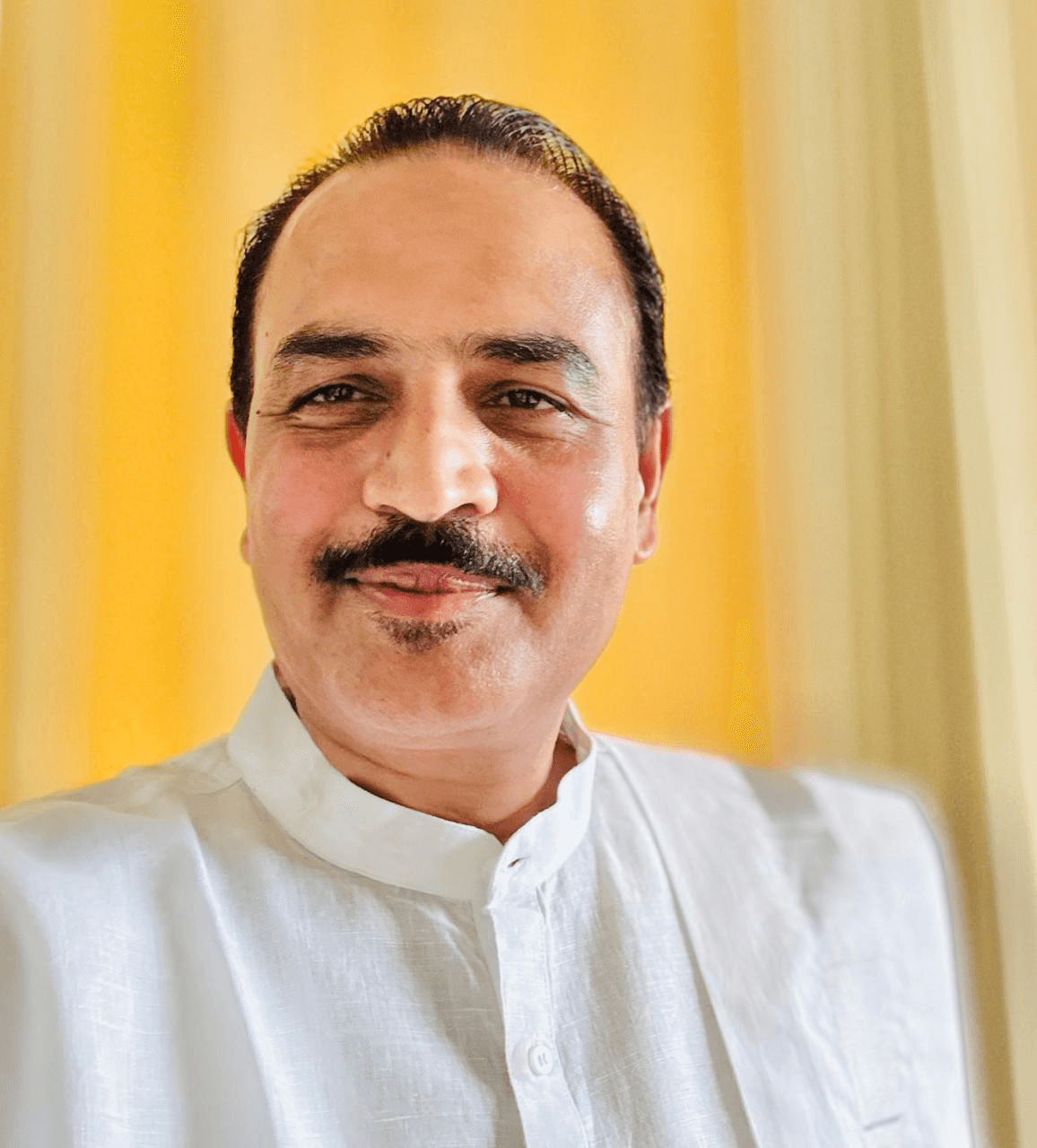
"Every jar that carries the Nazrani name carries three promises: the produce is grown without chemical shortcuts, the people who grew it are paid honestly, and the land is in better health next season than this one.
What reaches your table is food in its honest form — the taste God intended, the nutrition the plant produced, nothing stripped away, nothing added. Food that nourishes both body and soul. This is the gold standard the Nazrani name has carried for centuries — quality without compromise, integrity beyond question — and the only standard worthy of carrying it forward."